Daewoo K2/MAX II/AR-100
The Daewoo K2 is an very interesting and, in a way, groundbreaking rifle. It has been the main service rifle of the South Korean military since the early 1980s, and is really the perfect blend of the M16A1, AK(M), and even has a tiny bit of FN FAL thrown into its design, making it a truly accurate, reliable, and versatile weapon. It is chambered in the NATO standard 5.56x45mm cartridge, and has been designed to share magazines, among other things, with the M16 series as this replaced the M16A1 in South Korean service. Let's go ahead and take a closer look at this incredibly interesting rifle.
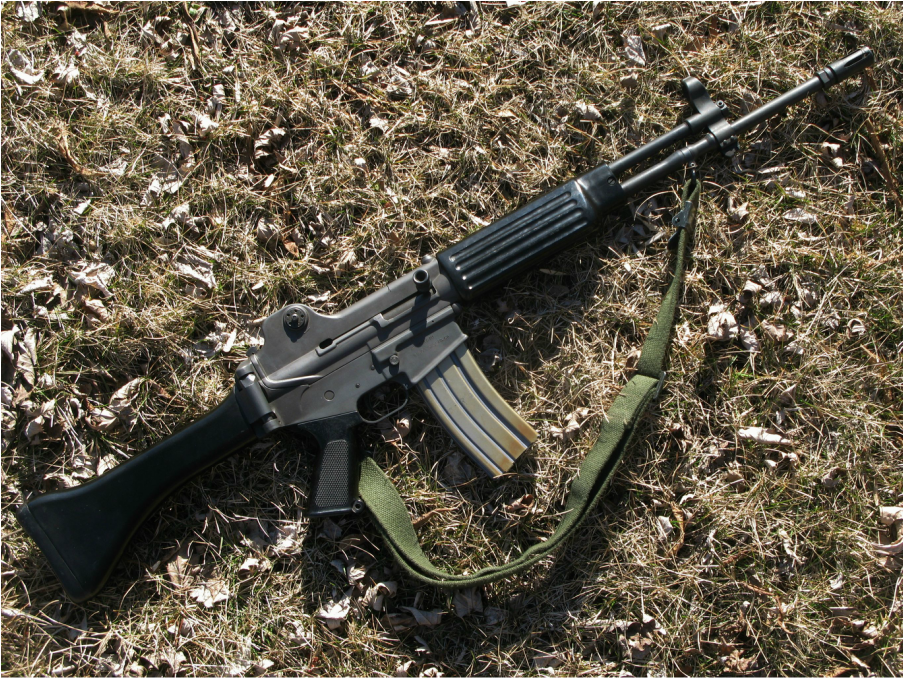
The K2 has some interesting looking furniture, a somewhat unique gas block, and a somewhat interesting appearance overall. This rifle in particular was imported under the designation of "AR-100," for reference (other K2 model names that can be found in the US are listed at the top of this page). Since it is practically a 1:1 copy of the real deal, it has a 1:7 twist barrel, has a bayonet lug, and sidefolding buttstock, as well.
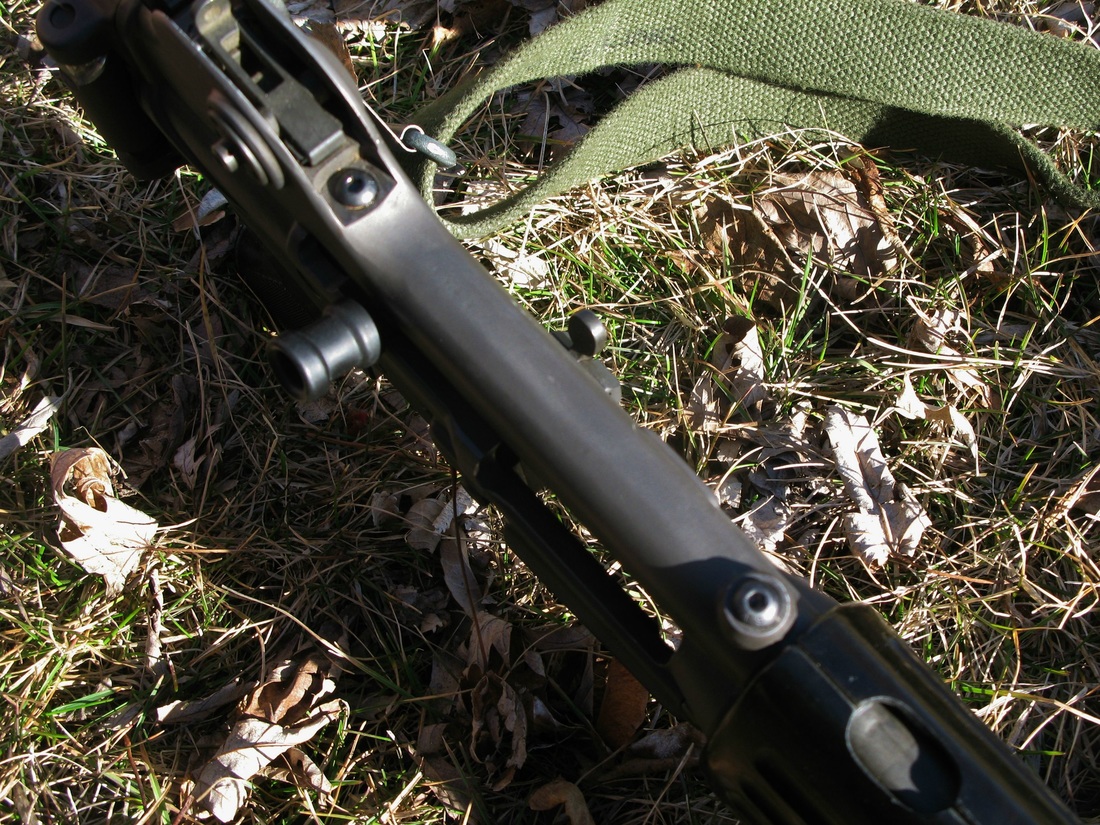
Here is a photo of the rear-locked bolt from a more vertical angle. I did this to show how the Daewoo's upper receiver accepts rails. There are two screws, as you can see, and they are easily removed. Once removed, you could replace them with a B-Square mount or perhaps a Stormwerkz rail of some kind. Anything from a low-profile top rail that allows cowitnessing with an AimPoint Micro to a full-blown quad-rail or what-have-you.
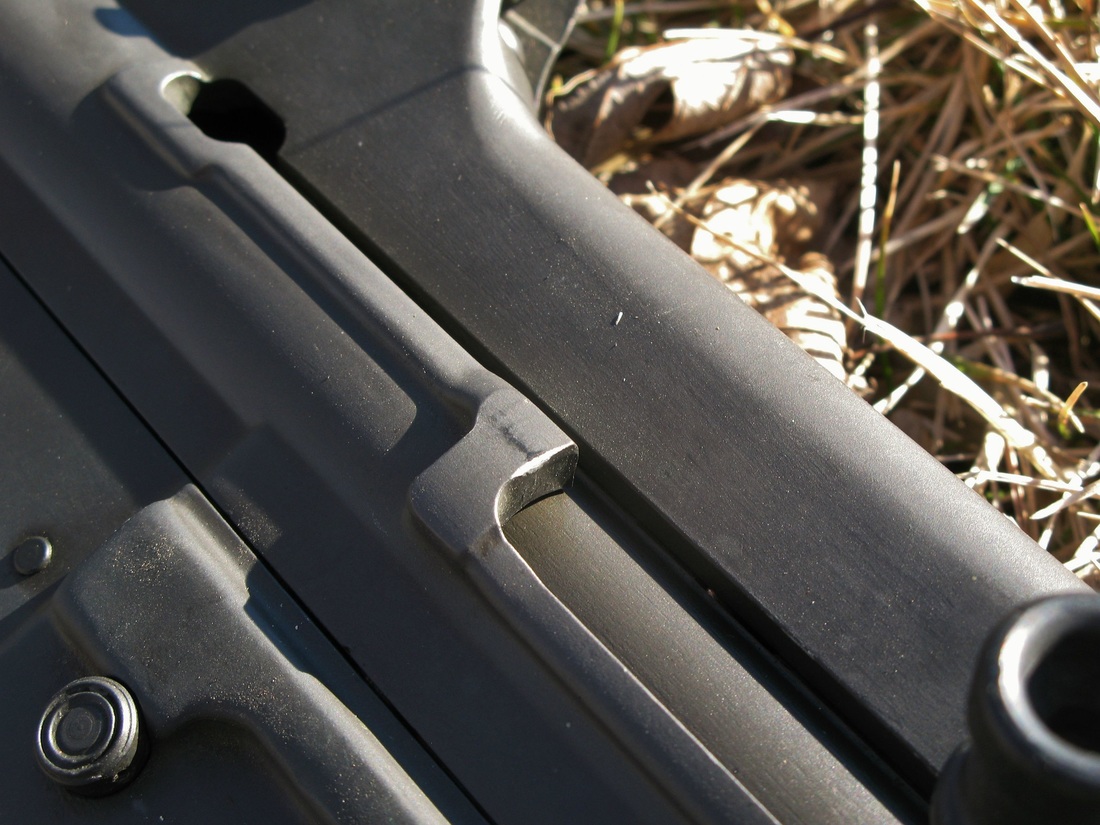
Before we move on, I figured I'd point out another little feature on this side of the rifle's receiver. Though it's not really noticeable, this little build-up at the rear of the ejection port is what makes this rifle a little more ambidextrous. It is a brass deflector, and launches brass a couple meters to the approximate 1:30 or 2:00 o'clock position. This means no brass to the face for left-handed firers.
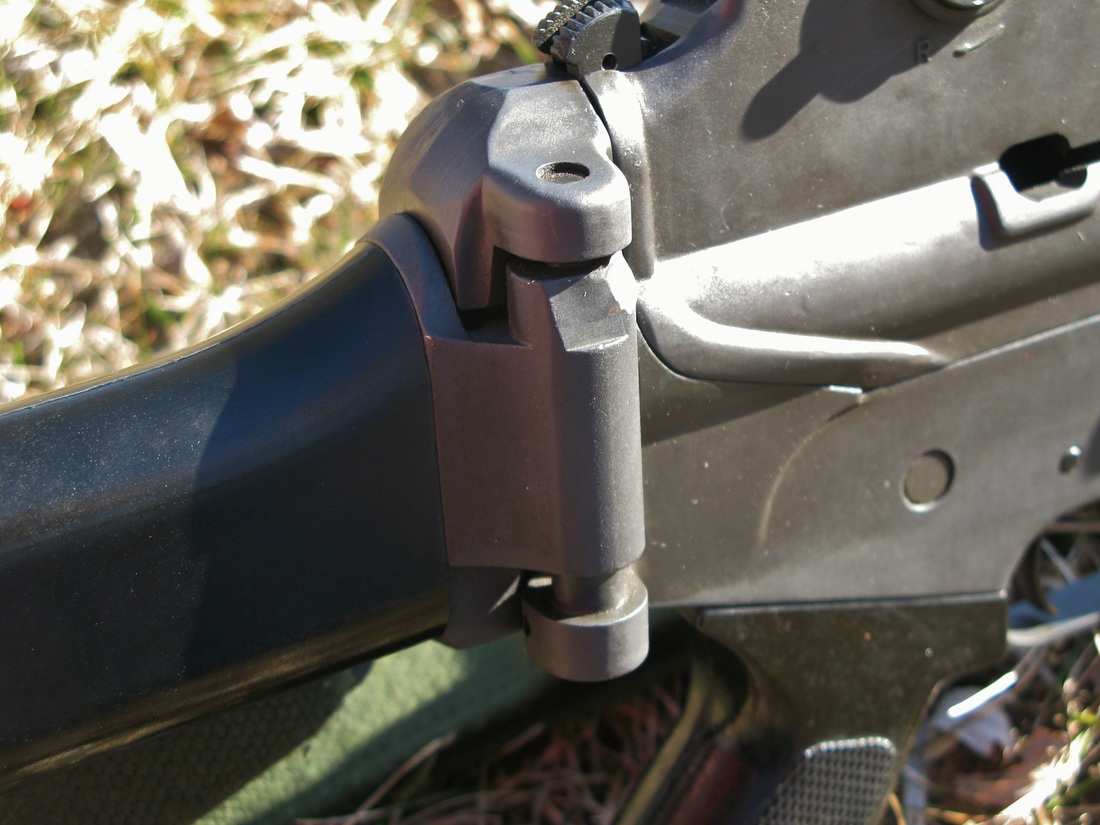
Moving on, we'll take a look at the buttstock. This is one of the more unique features of the K2 rifle. This is fairly similar to the FAL paratrooper stocks. So, what's so neat about it other than its funky looks? Let's take a look at the other side of it and see if we can figure it out.
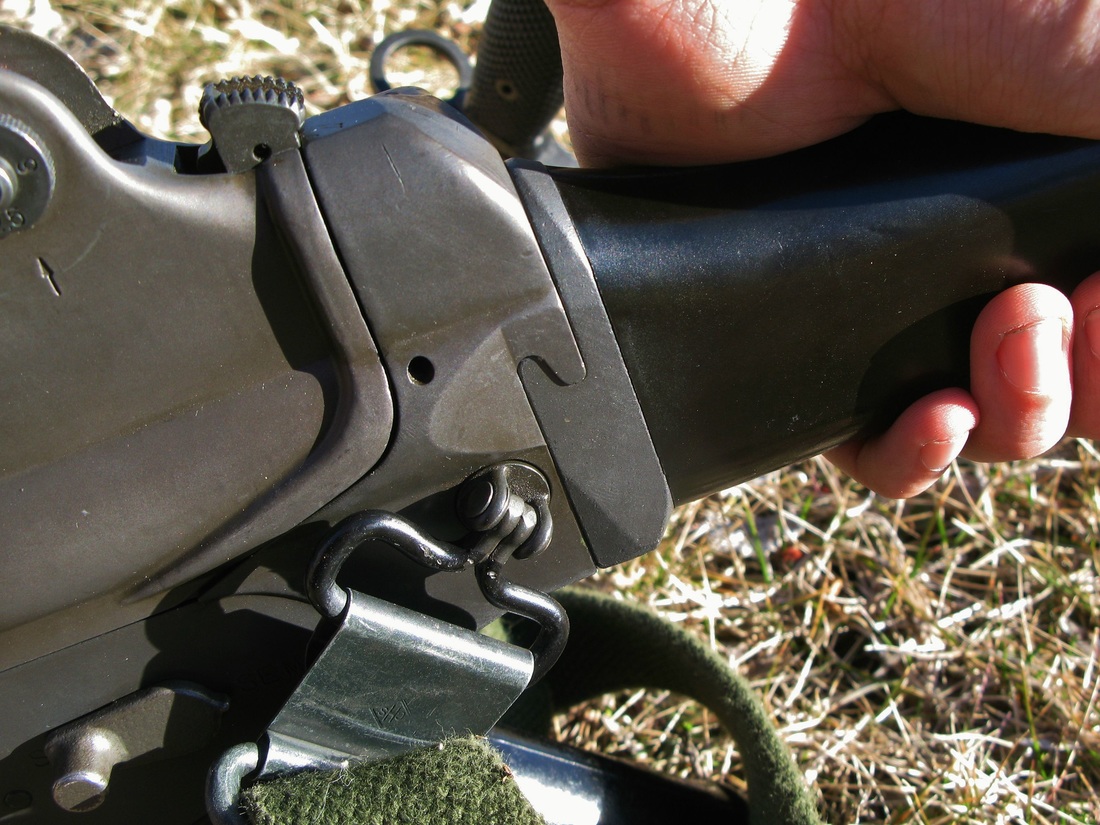
See how the rifle's stock has a bit of a "puzzle piece" thing going on? This is how the stock secures to the rifle, sort of. This isn't quite how it's installed to the rifle, but this is how it manages to remain perfectly stable when extended. Since this stock isn't collapsible, that can only mean one thing.
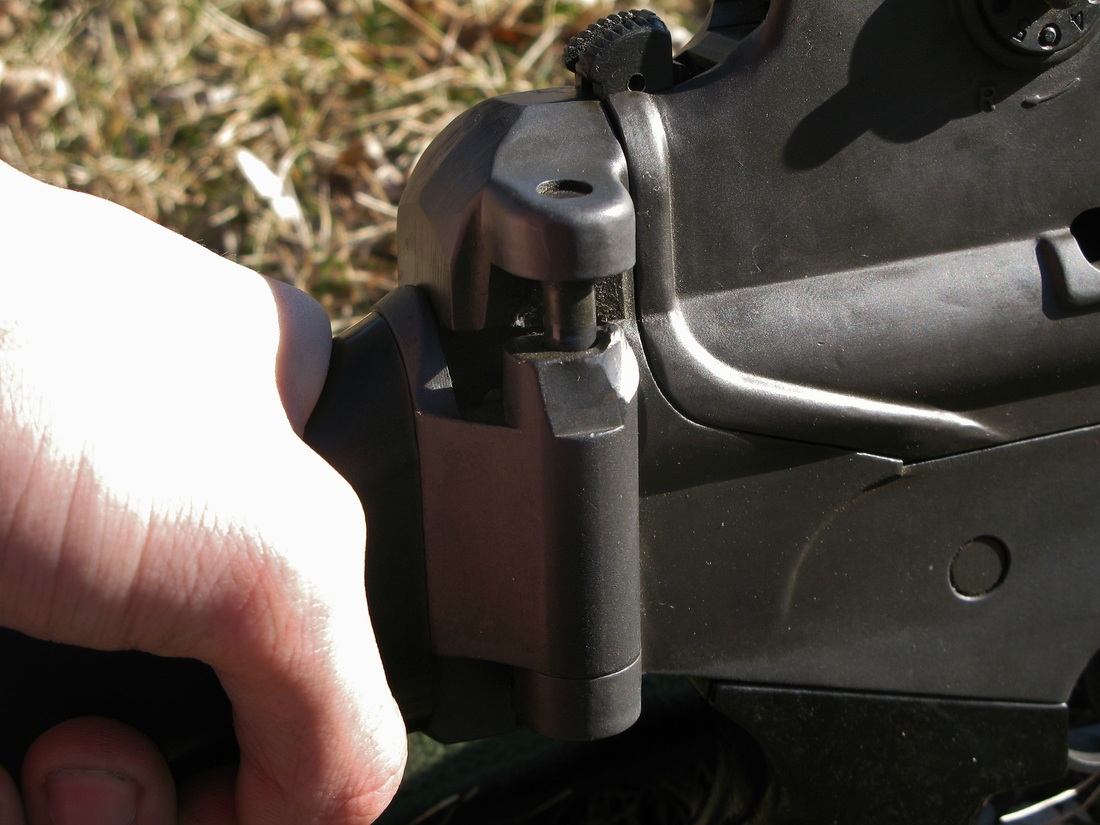
If you guessed that it folds, you'd be correct. Here we see me pressing down on the buttstock itself. As you can see, the buttstock rides on a fixture that encircles a central axis, and the buttstock is spring-loaded here so it has a constant upward pressure exerted on it that helps keep it secure.
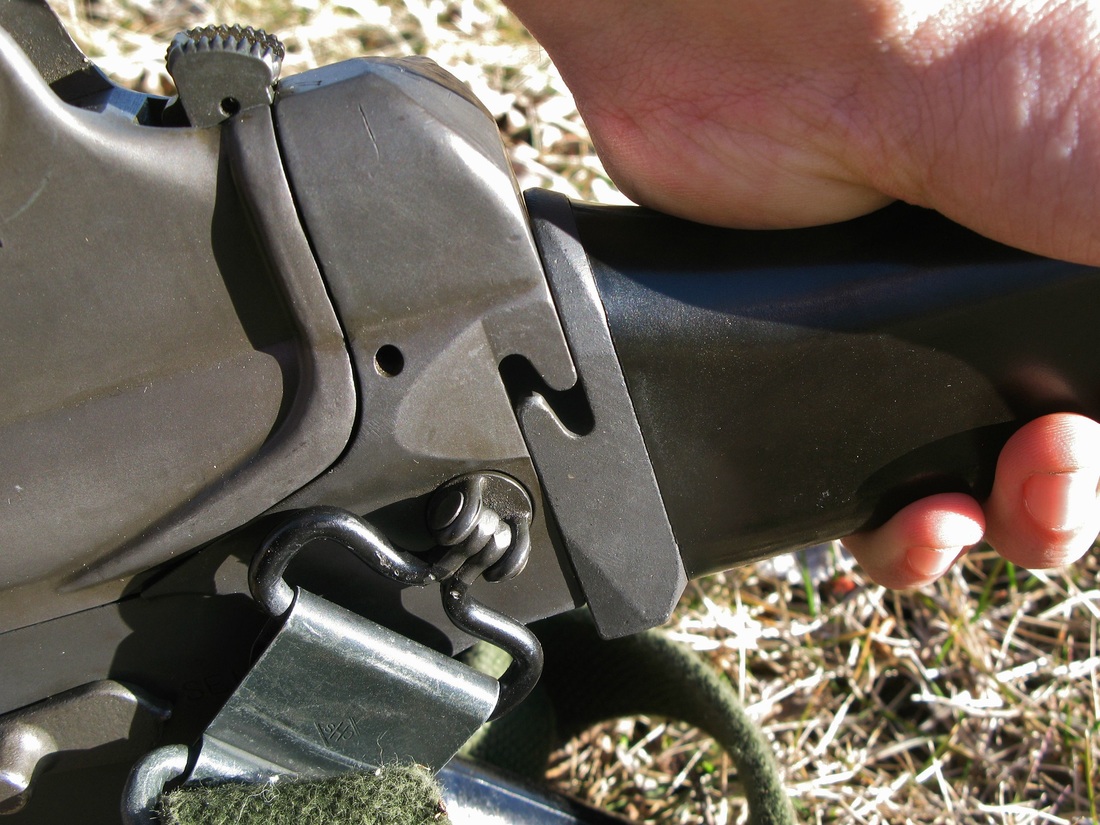
On the opposite side, when pressing down on the stock, you can see how the two ledges disengage from one another. So, once these are disengaged, we simply rotate the buttstock over to the right-hand side of the rifle.
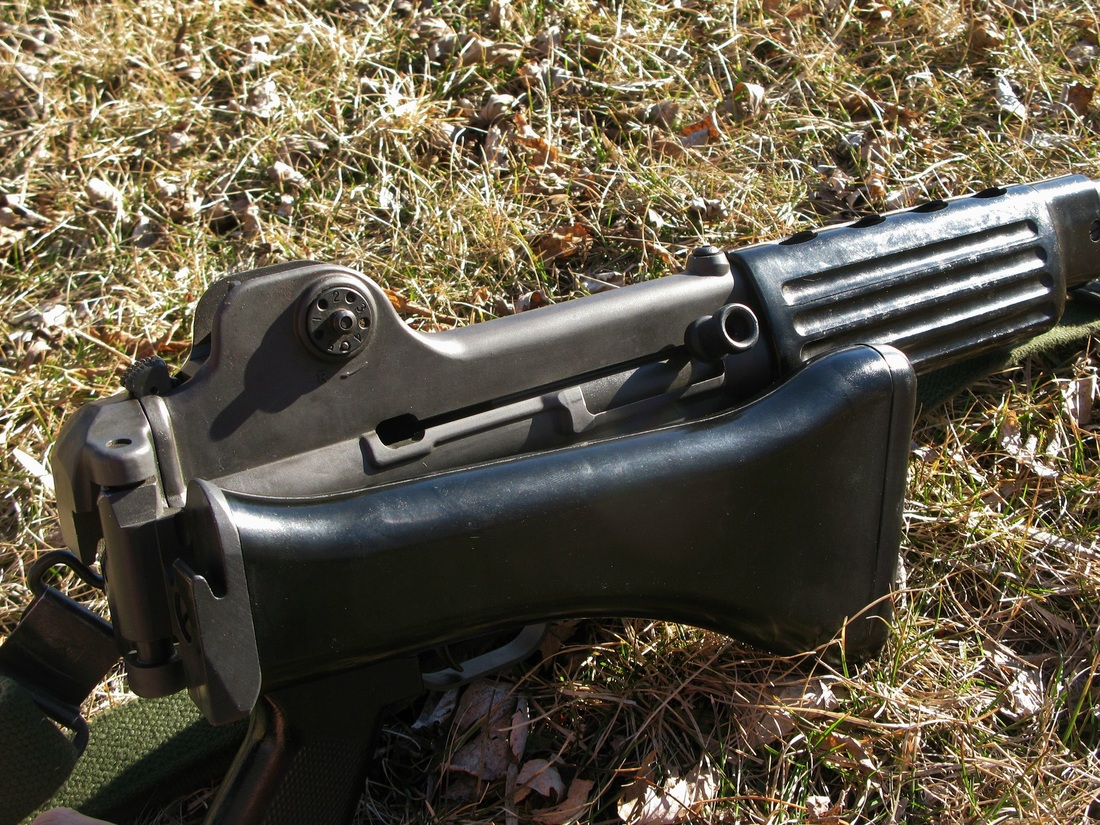
Here it is: stock folded. As you can see, the charging handle is unobstructed, and the safety and bolt release would obviously be unobstructed, as well. Now, the magazine release is obstructed to a degree, but due to how the stock is designed to stay in place (spring tension alone), you should be able to worm your finger in there and drop your magazines easily enough.
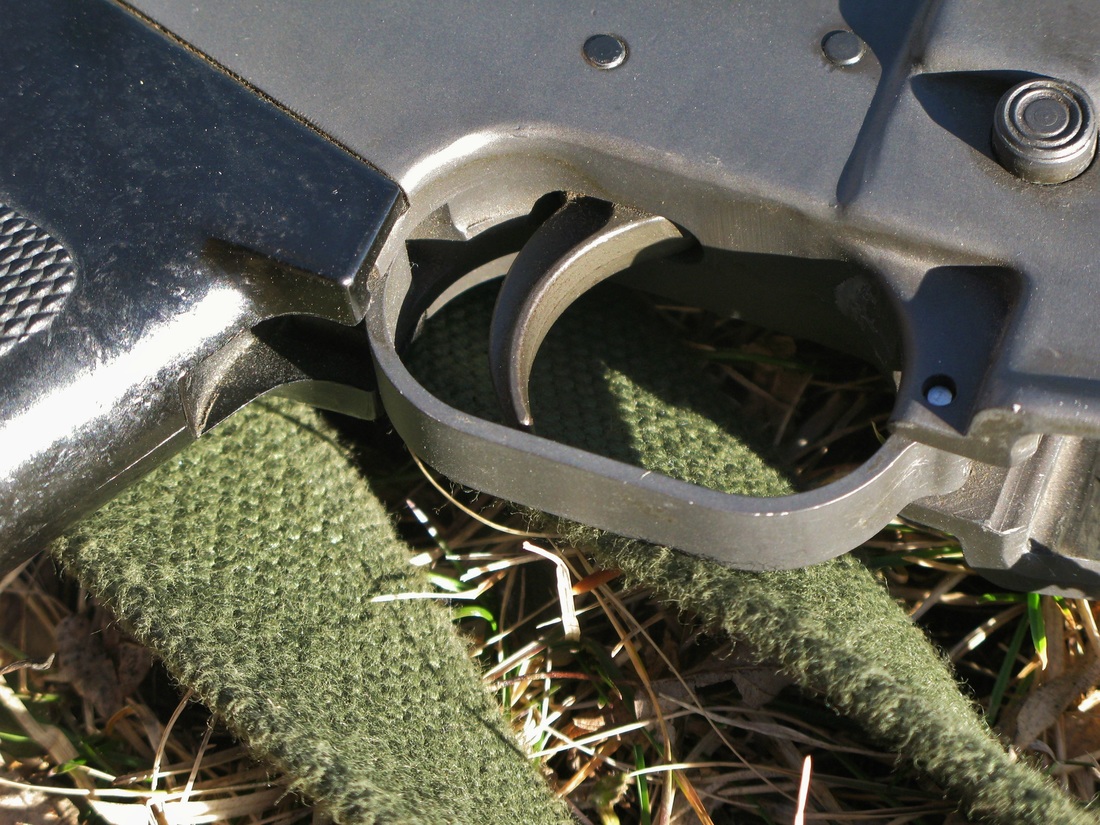
Also somewhat similar to the AR-15 is the rifle's trigger and trigger guard. However, the stock K2's trigger is usually superior to most any off-the-shelf AR-15 trigger. As I mentioned, the trigger guard is also similar and can be folded downward for use with large, winter gloves. The little "pin" you see at the front of it can be depressed with a pin or a bullet tip, then the guard itself can be rotated downward and out of the way. You can also catch a glimpse of the pistol grip here, and we'll discuss that a bit more since it tends to one-up AR-15 grips.
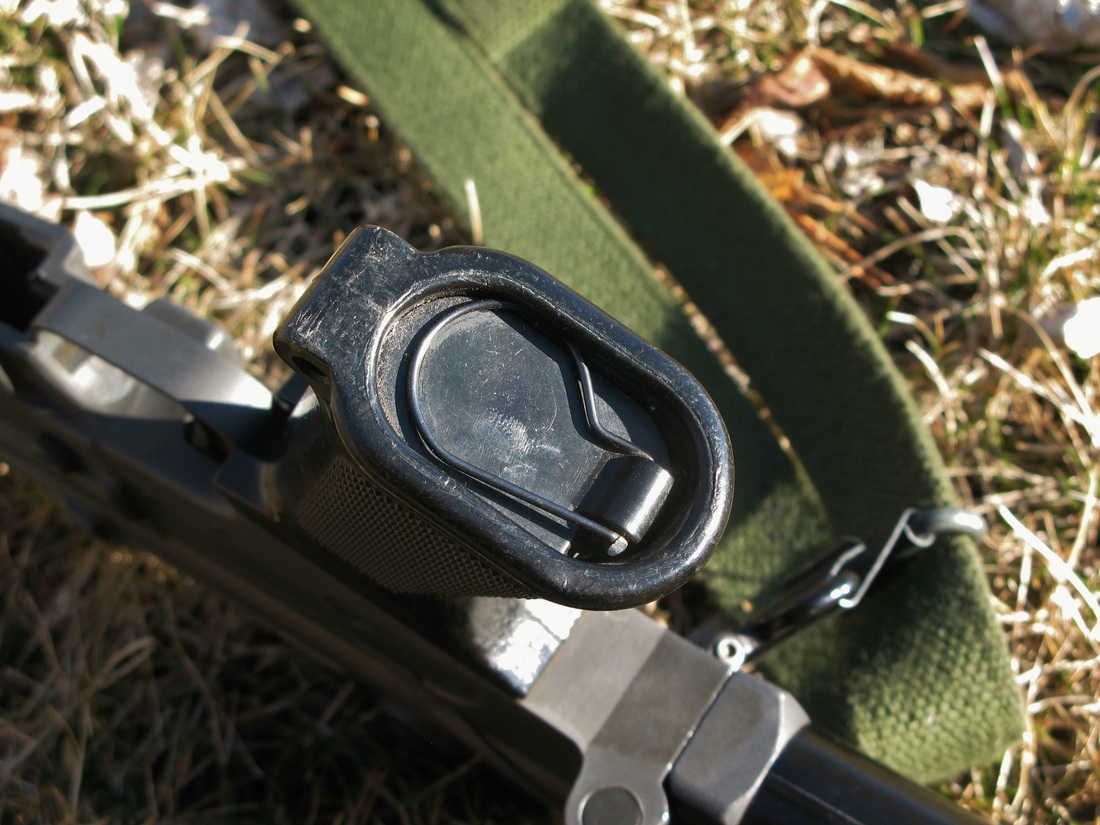
Rotating the rifle over, we see the bottom of the pistol grip. It also has this funky-looking wire loop on there. What's that for? Well, if you pull it to the side to where the circular side disengages the grip body, you'll find out.
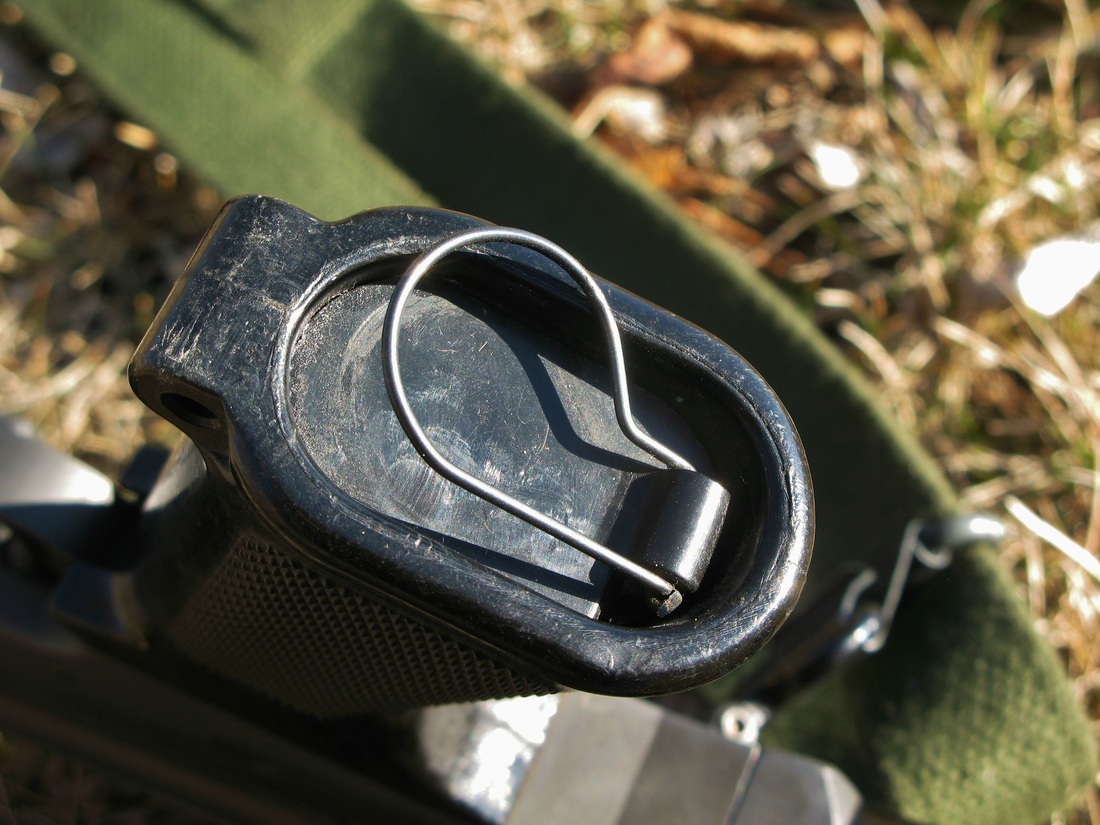
So, we've pulled the loop off to the side, and now we see that the loop is free to be rotated upwards. Let's go ahead and start rotating it upward so we can get a finger in there and pull it out.
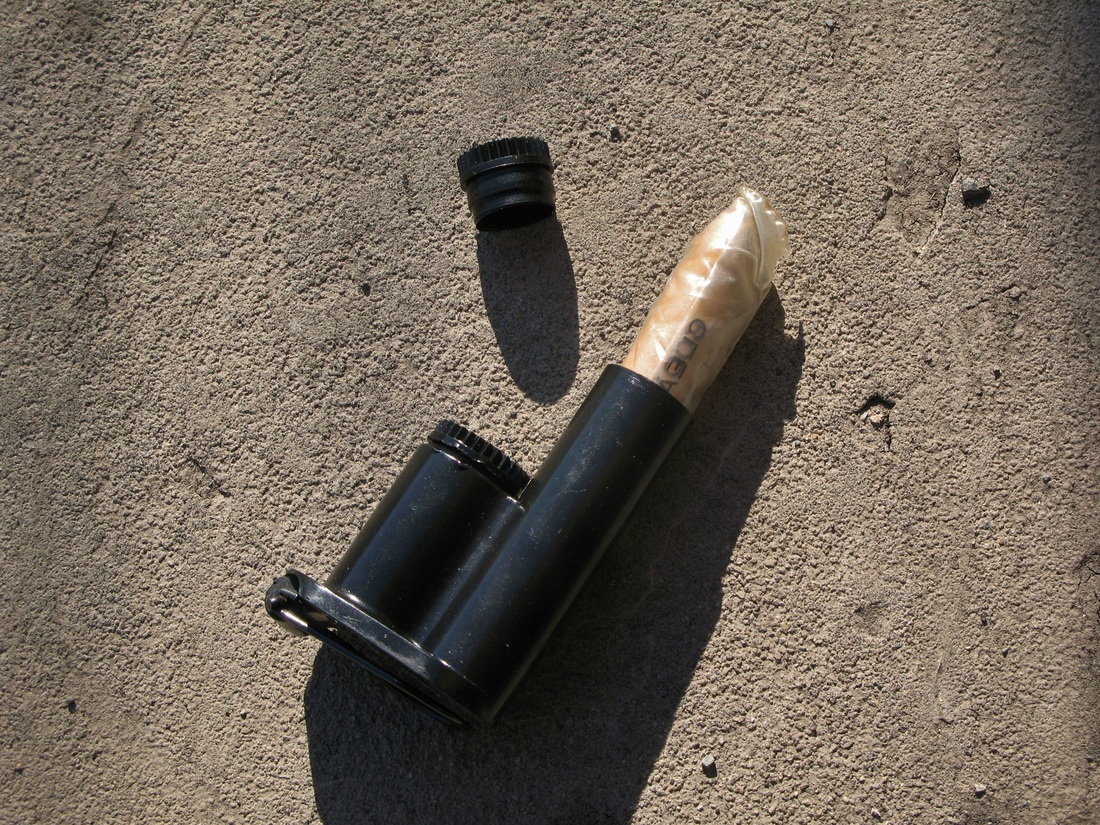
As you'll soon find out, the inside of the grip contains a built-in emergency maintenance kit. I didn't really bother taking a good look at what the contents were, but I believe the long tube contains an emergency set of oil-soaked patches, and I couldn't quite get the shorter canister open. I didn't force it in case it was something that could have spilled easily.
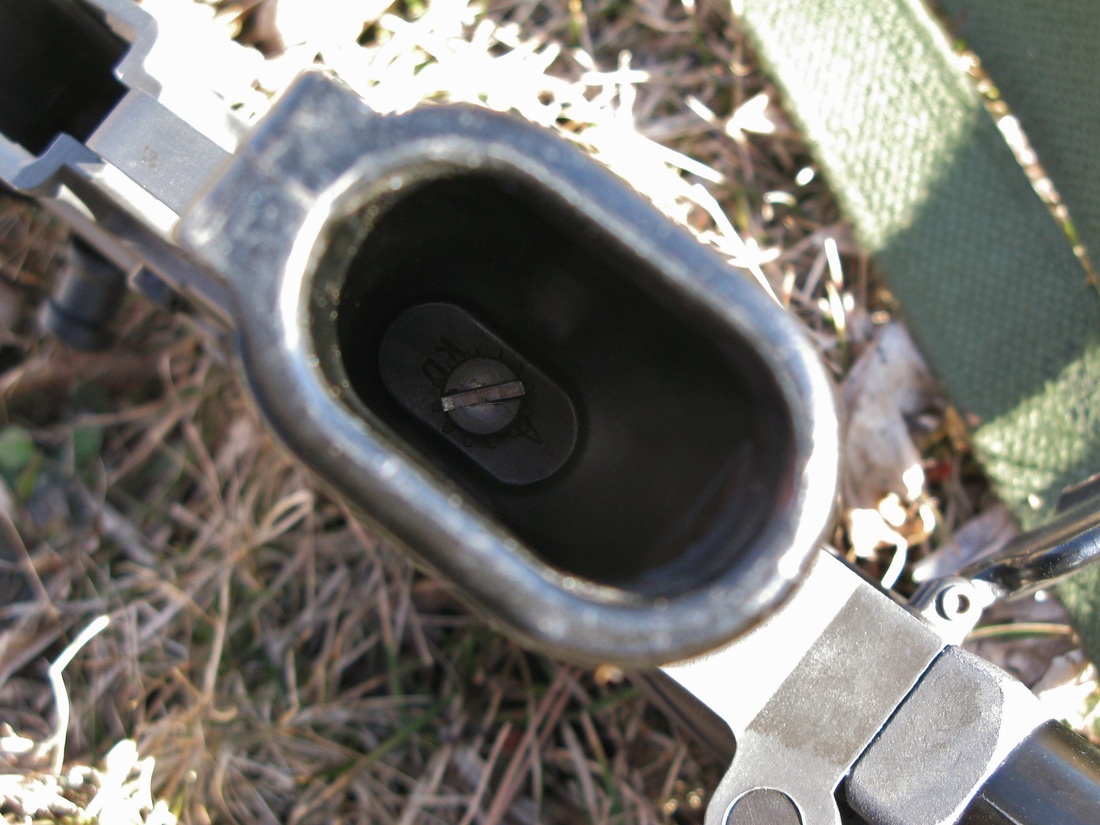
Looking inside the grip body, you'll notice that it installs in the same way as an AR-15's grip. Why the AR-15 didn't have this in-grip cleaning kit feature, I'm not sure: perhaps because it didn't need to be cleaned to begin with?
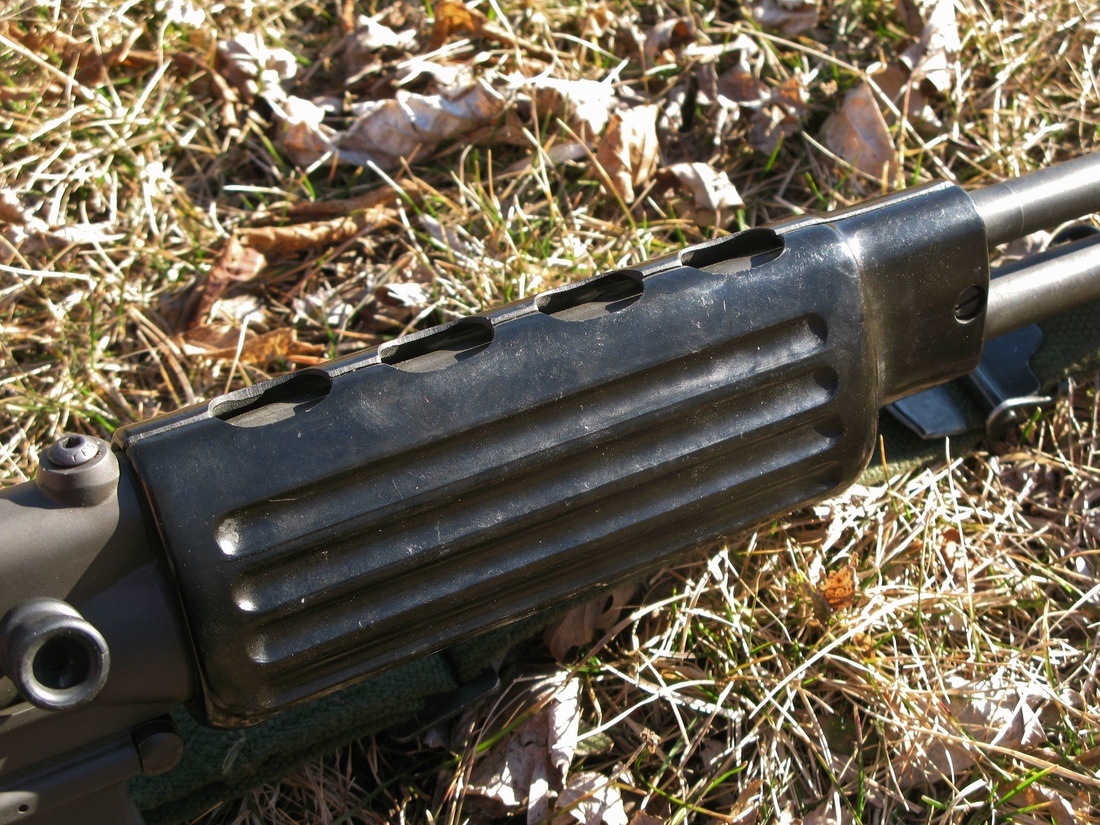
Last part of the Daewoo's furniture to look at is pretty basic. The handguards are not dissimilar from the FAL's in that they're two-piece and attach via sliding in and back, then screwing together with a single screw at the front. They feature two aluminum heat shields, as well, and are vented on the top to help with heat issues. They are also slightly triangle or teardrop-shaped, and are actually quite comfortable.
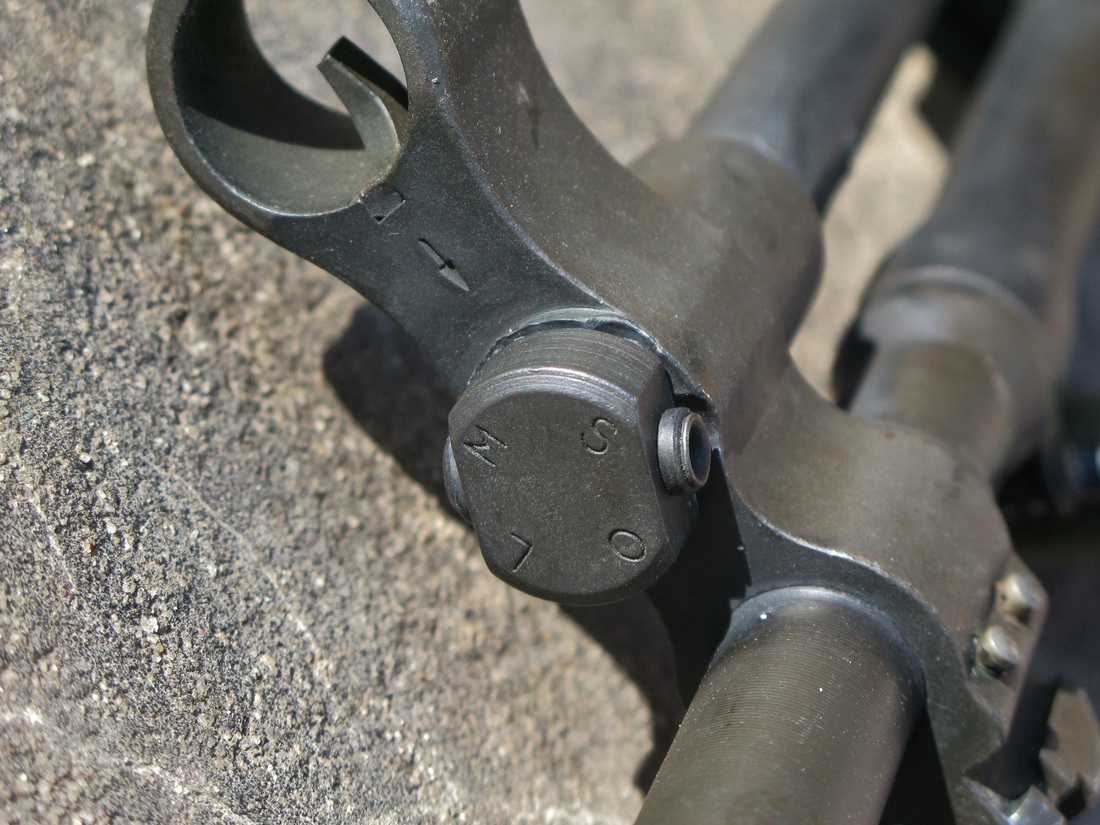
Next up is the gas system. What we're looking at here is the K2's adjustable gas valve. You can see that it has four settings: "L," "M," "S," and "O." Pretty much: "Large," "Medium," "Small," and "Off." This allows you to fine-tune your rifle to make sure it isn't beating itself up in various conditions when cycling. Not too dissimilar from the FAL, here.
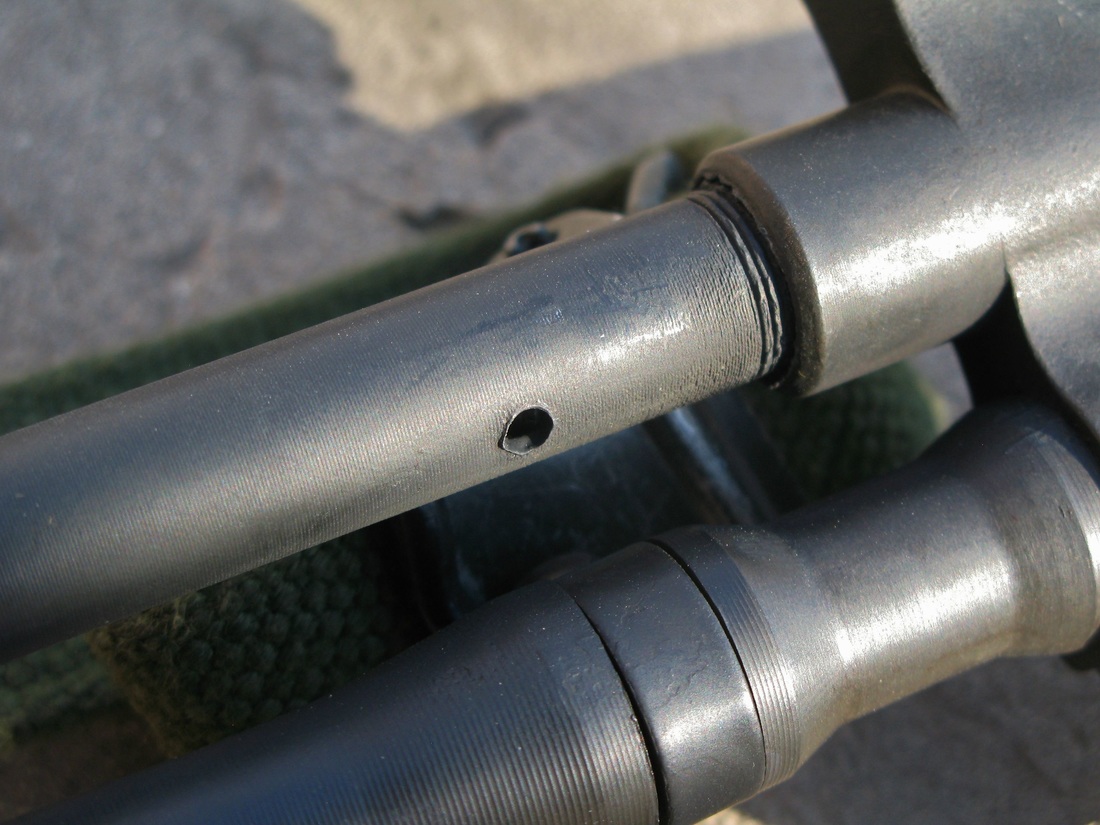
On the gas tube are two ports. This allows excess gases to bleed out of the rifle after having sent the piston on its travels back to cycle the rifle. Along with the two springs in the receivers themselves, these little ports also help with eliminating some recoil as the piston isn't being forced back any harder than it needs to be, so recoil is very, very light and manageable on these rifles.
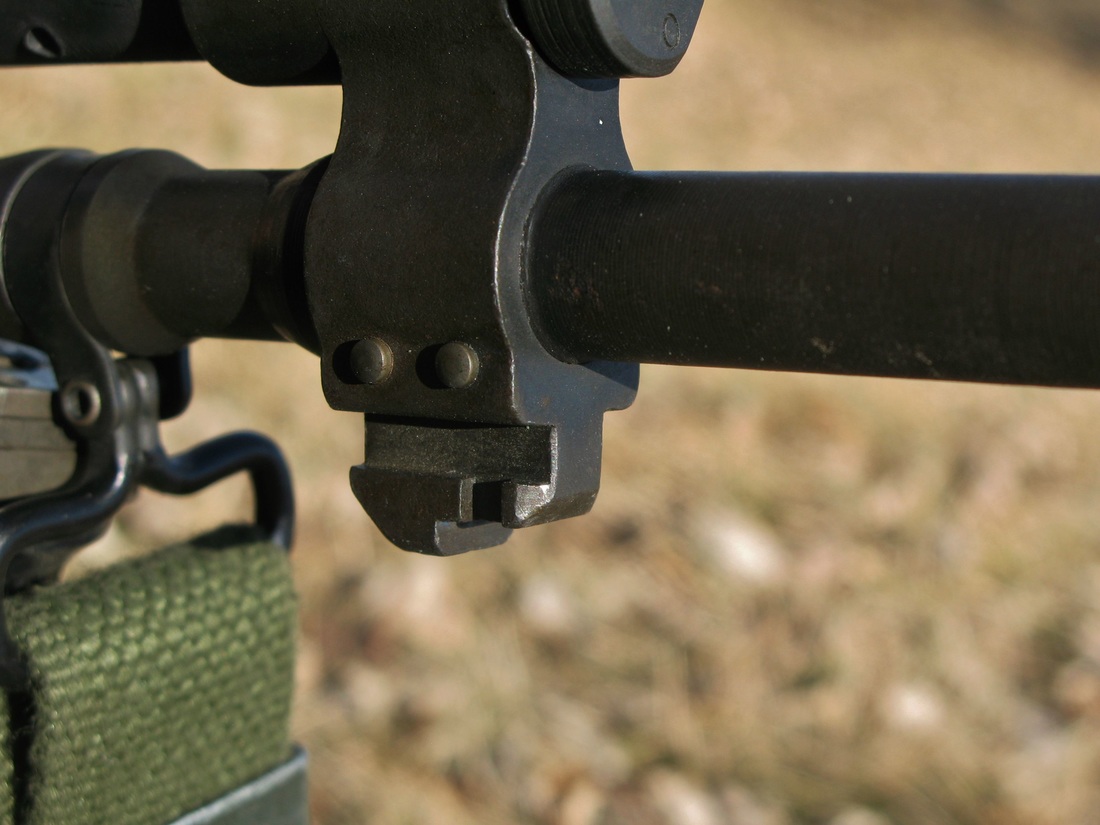
While we're taking a gander at the gas system and the gas block, let's look at the bottom of it. What you're seeing here is a bayonet lug. Maybe it looks familiar to you.
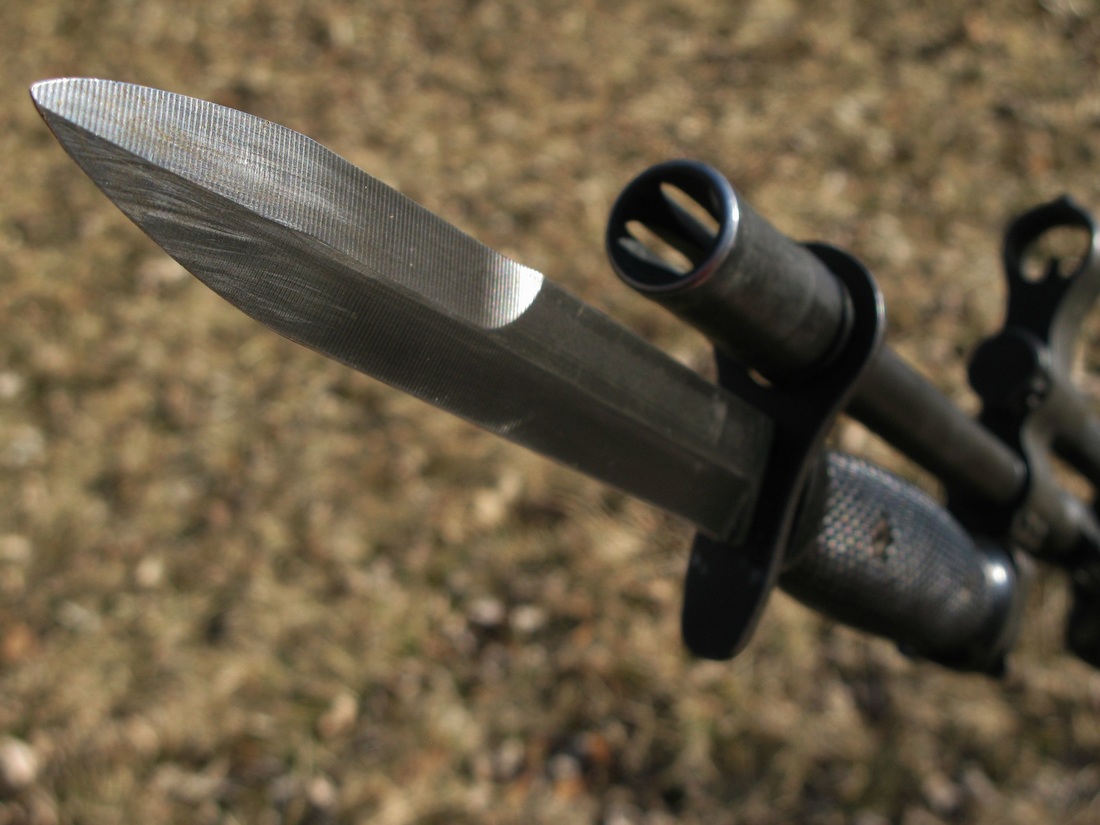
Why should it look familiar? The K2 actually uses a bayonet lug identical to the M16-series of rifles. The bayonet you see here? It's a US-made M7 bayonet for the M16 and M4-series assault rifles and carbines (and Mossberg 590, technically). Since the Koreans were switching from the M16A1 to the K2, they decided to recycle as many parts as possible.
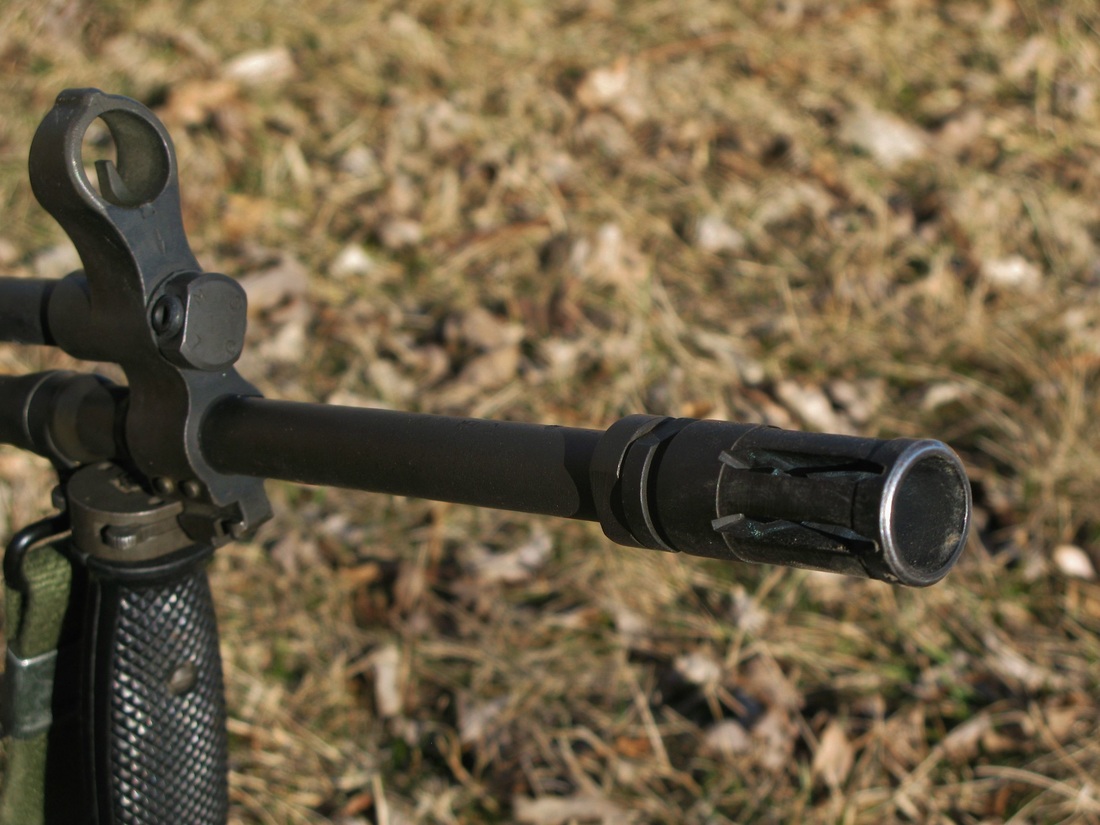
You may have also noticed that the muzzle device looked similar. The K2 uses the same thread pitch as the AR-15/M16, but happens to have more area threaded, thus requiring this extra jam nut to keep everything covered. Anyway, the K2's flash hider is pretty much like the A2 birdcage. However, its slots are focused primarily from 11:00 o'clock to 4:00 o'clock. This helps eliminate flash while also doubling as a pretty decent muzzle compensator. Very nice device, really.
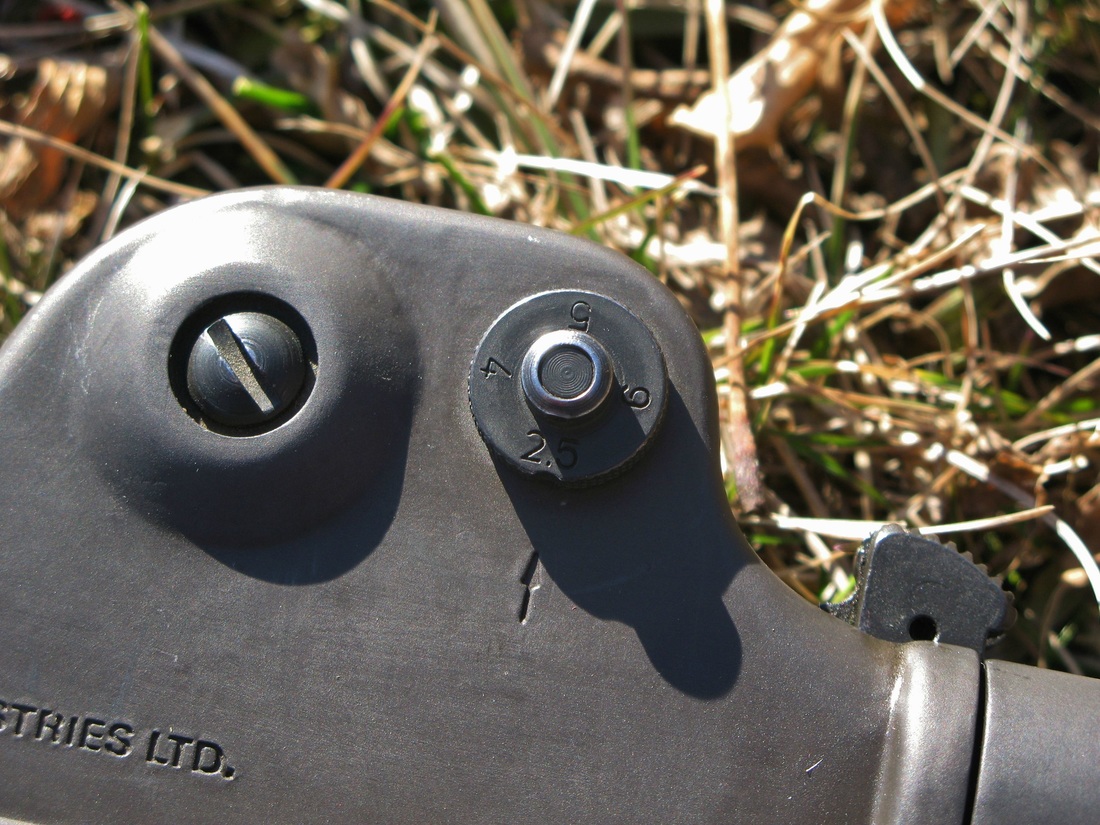
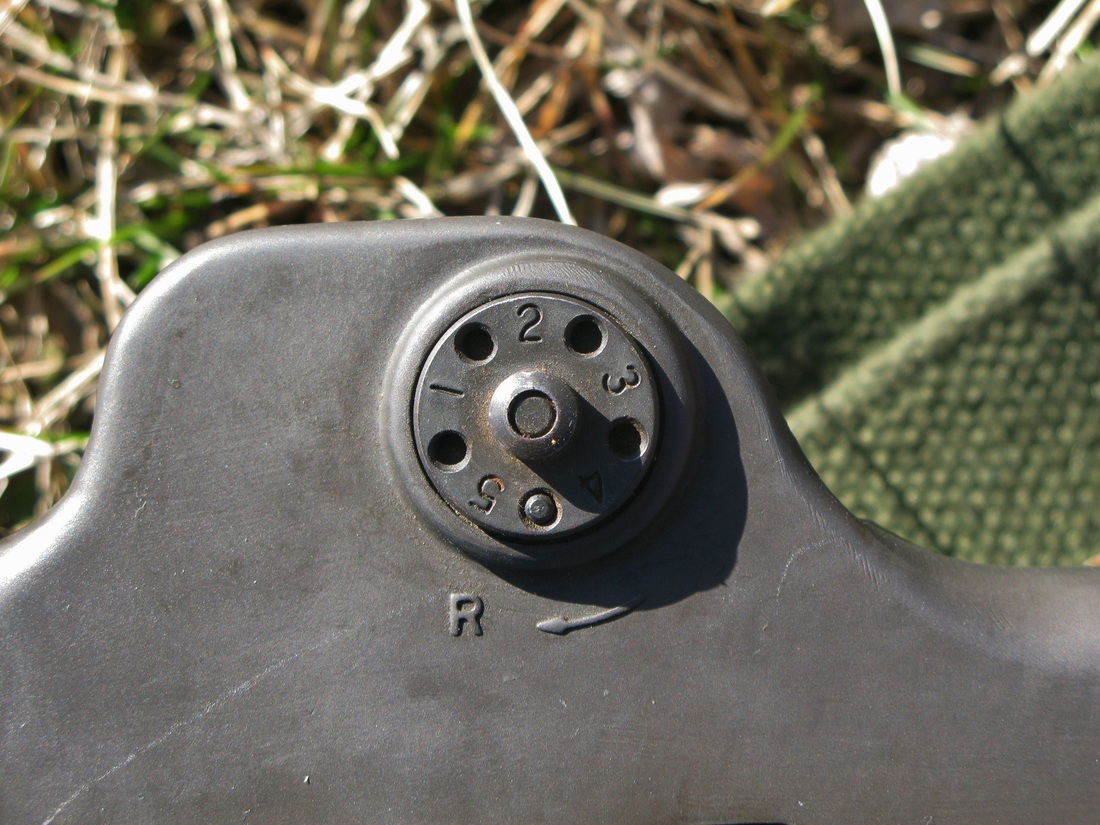
I wanted to touch on the iron sights last, keeping to the theme. What you're looking at here is the rear sight's protective ear on the left-hand side of the upper receiver. You'll note that there's an arrow pointing at a little wheel. This wheel has all your different battlefield zeroes lined up. There is a "2.5," "4," "5," and "6" setting. These are marked out in hundreds of meters.
On the opposite side is your windage adjustment piece. Pretty similar to what you'd find on the M16A1 and such, and its manipulation is pretty self-explanatory, so I won't go into detail on it. A bullet tip can be used for adjustment, just like on the M16A1.
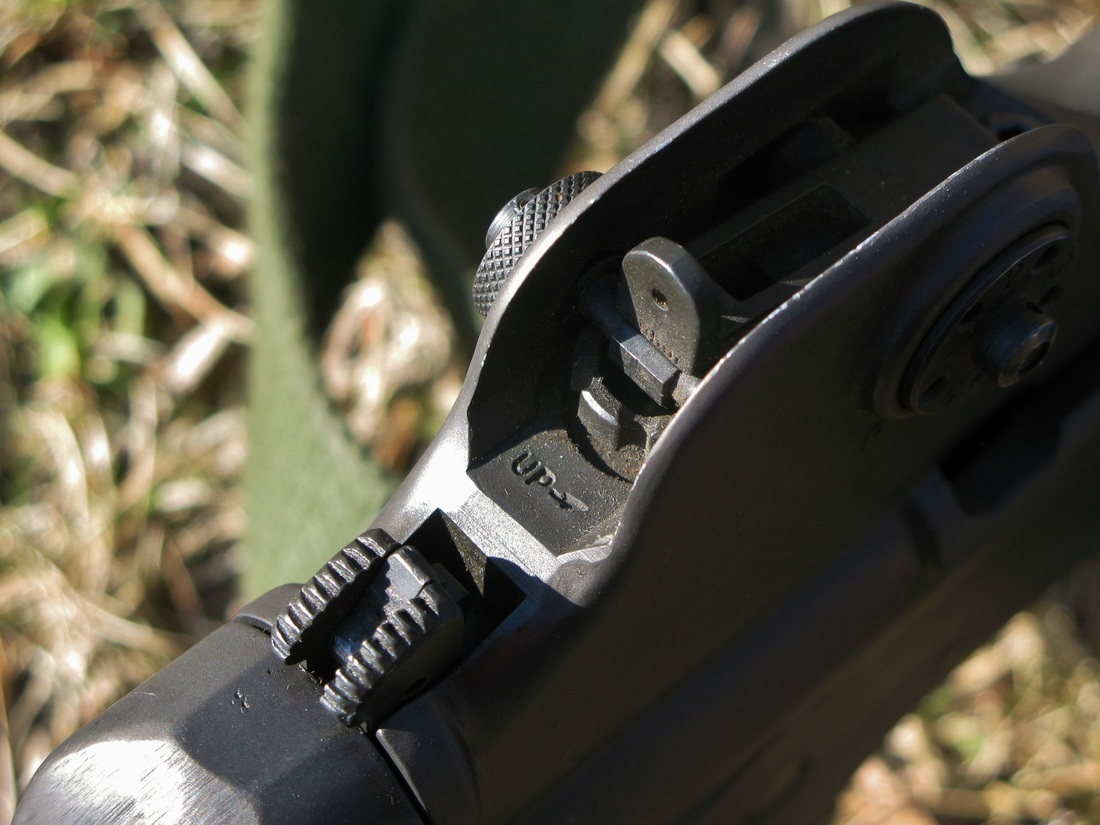
At the rear is the piece that adjusts elevation. It's basically a big, sectioned screw that allows you to raise or lower the rear peep. Pretty simple: easy to figure out, as well.
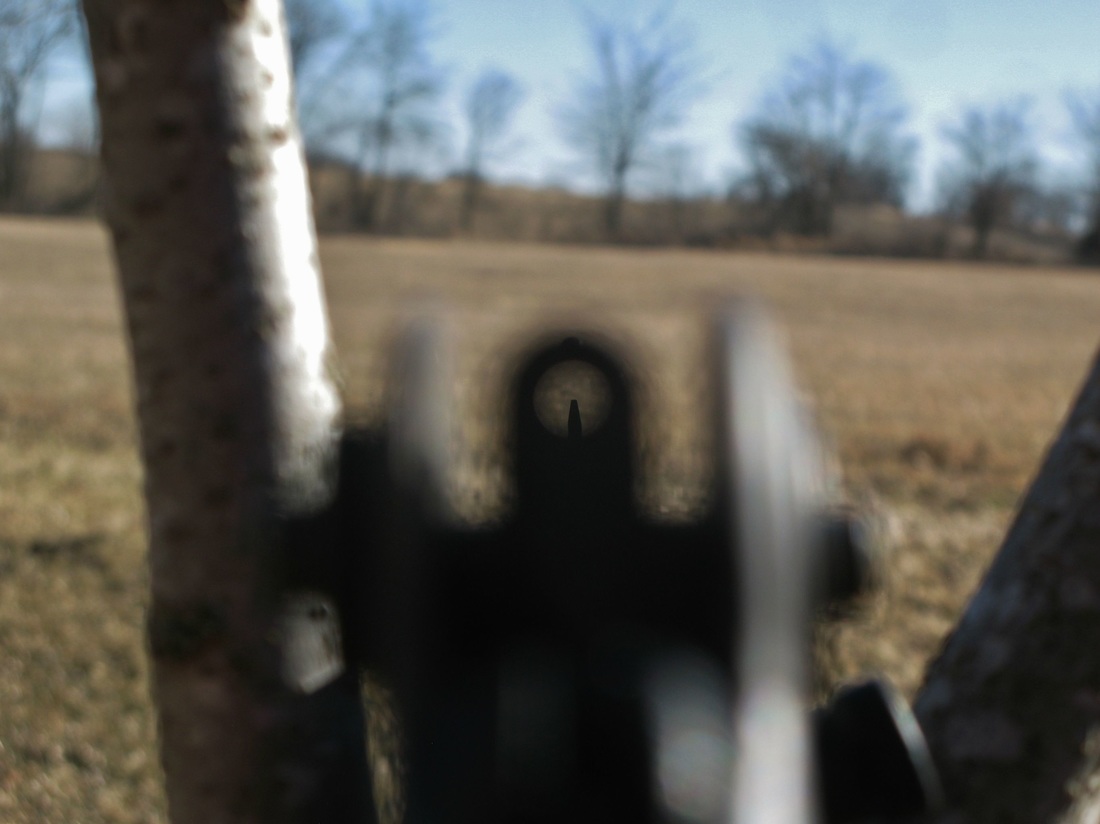
Here we see the rifle's iron sights. They are absolutely amazing. As you know, the rear sight is a peep sight, and as you saw earlier, the front sight is fully encircled. Due to their geometry, the rear peep and front sight ring match each other in size when aiming the rifle. So, instead of the AR-style "post in circle" sight alignment, you've got a bit of an HK going on. It's a post-in-circle-on-circle alignment, and it is incredibly easy to make sure you've got the same and proper sight alignment for each and every shot. Also note the raised "hump" at the top of the front sight assembly allowing the firer to tell if the rifle's sights are being held perfectly vertical.
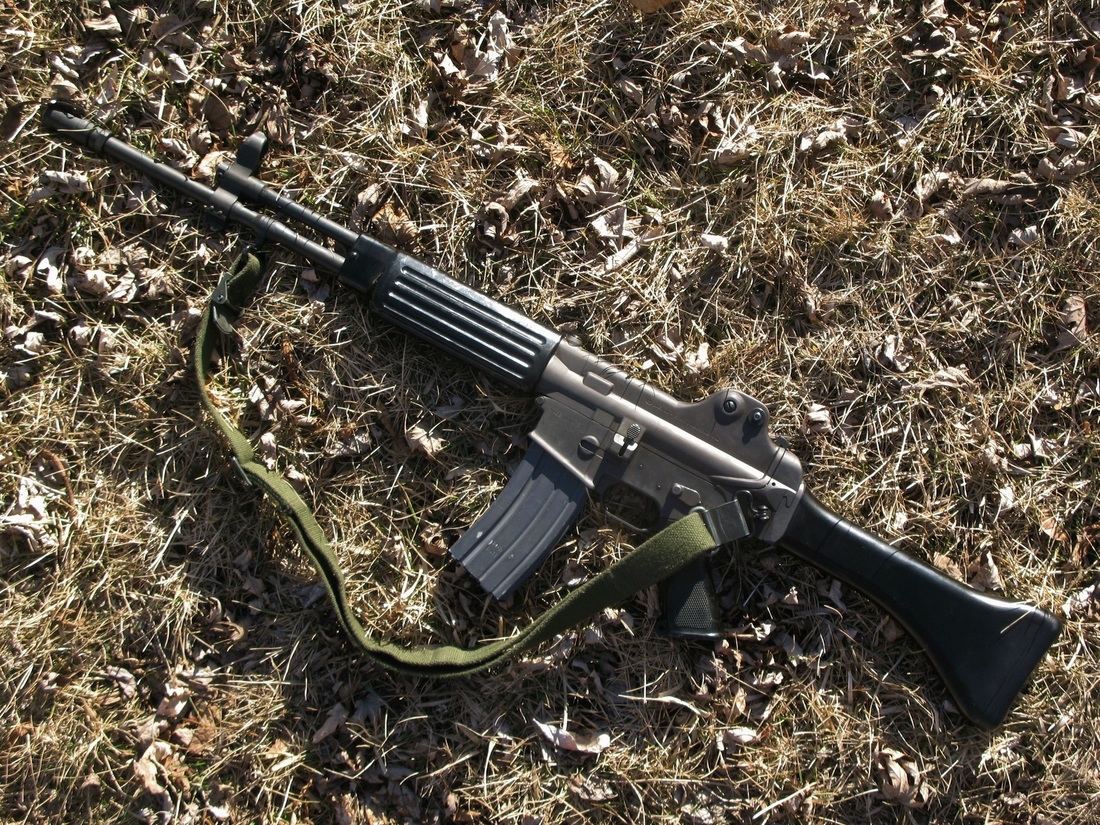
So, there you have it: a brief look at the Daewoo K2 rifle. Here we see it on the left-hand side, with a different magazine inserted into it now. You'll also note that the K2 sling is pretty much identical to an M16 sling (they can be interchanged), and, also worth noting, the rear swivel is "captive" in that it doesn't rotate a full 360 degrees. Anyway, hopefully you've learned something: these rifles are some of the absolute best 5.56 rifles out there, for sure.
